
Exploring the intricate traditions of casino culture worldwide
The Historical Roots of Casino Culture
Casino culture dates back centuries, with its origins intertwined with ancient civilizations. The earliest known gambling activities can be traced to the Chinese, where rudimentary games of chance were played using dice around 2300 BC. This fascination with games of luck expanded through the ages, influencing societies in Europe and the Americas. As the concept of structured gambling evolved, so too did the establishment of casinos, leading to the grand halls we recognize today. In areas like Australia, platforms like playid casino have emerged to facilitate this evolution.
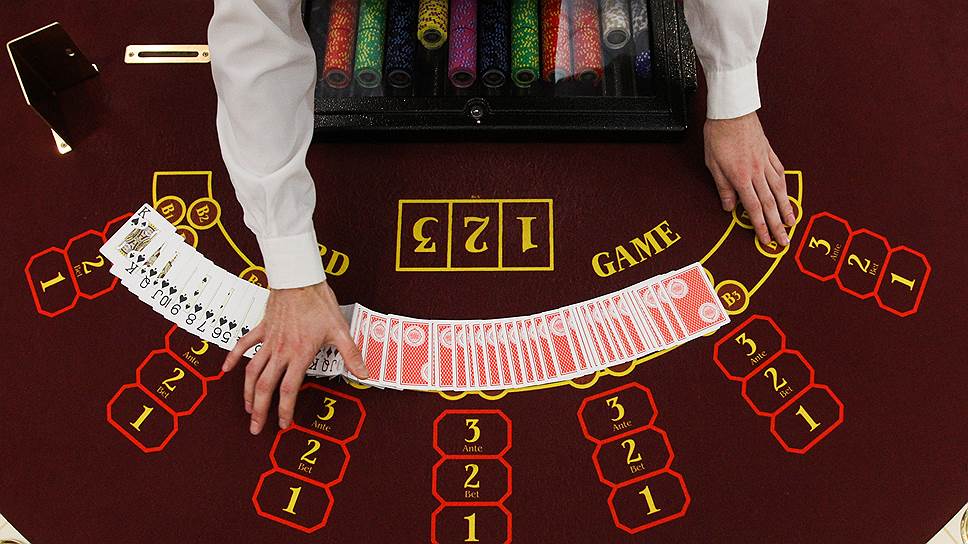
By the 17th century, the rise of casinos as we know them began in Italy with the development of the first legal gaming houses. The term “casino” itself originates from the Italian word for “little house.” These early venues not only served as places for gambling but also as social hubs, where art, music, and culture flourished. This blend of entertainment and gambling set the stage for the more elaborate and luxurious casino environments that would follow in cities like Monte Carlo and Las Vegas.
As gambling spread globally, various cultures adapted the concept to fit their social norms and regulations. In many Western countries, casinos became synonymous with luxury and indulgence, often drawing in tourists seeking excitement. This cultural evolution reflects broader societal changes, highlighting the allure of risk, reward, and community bonding through shared experiences in gaming establishments.
Casino Games and Their Cultural Significance
Casino games are not merely forms of entertainment; they also hold significant cultural importance across different regions. For example, in the United States, poker has become more than just a game; it symbolizes strategy, skill, and camaraderie. The annual World Series of Poker has turned into a cultural phenomenon, drawing competitors and fans alike and showcasing a mix of talent, psychology, and risk management.
In contrast, games like Sic Bo and Pai Gow offer a glimpse into the rich traditions of Asian gambling culture. Sic Bo, with its origins in ancient China, has become a staple in many casinos around the world, combining chance and skill in an exciting manner. Pai Gow, also Chinese in origin, marries gambling with strategy, highlighting the importance of culture in shaping casino experiences. These games serve not only as entertainment but also as an embodiment of cultural heritage, offering players a unique connection to history.
The popularity of certain games can also reveal broader societal values. For instance, in many European countries, the classic game of roulette embodies the elegance and thrill associated with high-stakes gambling. This game’s strategic elements and reliance on chance resonate with cultural ideas of luck and fate, making it a favorite in luxurious casinos. Each game within a casino reflects the unique blend of cultural significance, societal norms, and the inherent human attraction to risk and reward.
Casino Architecture and Design Around the World
The architecture and design of casinos around the globe illustrate the profound impact of cultural identity on gambling venues. In Las Vegas, for example, casinos are often designed to transport guests to fantastical worlds, featuring opulent décor, intricate themes, and luxurious amenities. This approach caters to the entertainment-driven ethos of Las Vegas, where the experience is as important as the gambling itself.
Conversely, European casinos tend to reflect a more traditional aesthetic, often housed in historic buildings that exude elegance and charm. The Casino de Monte-Carlo is a prime example, showcasing intricate architectural details and classic European design. Such venues evoke a sense of history and sophistication, often attracting a clientele looking for a blend of cultural prestige and high-stakes gaming.
Moreover, many Asian casinos, particularly in Macau, combine modern architectural styles with traditional cultural motifs. These establishments often feature lavish interiors adorned with symbolic elements that reflect prosperity and fortune, resonating deeply with local customs. As a result, the design and architecture of casinos not only serve a functional purpose but also play a crucial role in enhancing the cultural experience for patrons, drawing them into a world that marries glamour with tradition.
Regulations and Responsible Gambling Worldwide
Casino regulations vary significantly across different countries, reflecting cultural attitudes towards gambling. In some regions, such as the UK and Australia, gambling is heavily regulated, ensuring that operators promote responsible gambling and protect players. These regulations often include measures such as self-exclusion programs, age verification, and limits on betting amounts, all aimed at promoting a safer gambling environment.
In contrast, some countries have more relaxed regulations, leading to a proliferation of gambling venues and online platforms. This lax approach can pose risks, particularly for vulnerable populations. Consequently, many countries are beginning to implement stricter measures to counter potential negative effects, showcasing an evolving understanding of the importance of player protection in casino culture.
Responsible gambling initiatives are becoming increasingly prevalent, often supported by casinos as part of their corporate social responsibility. Programs aimed at educating players about the risks of gambling, as well as providing resources for those in need of support, are vital in creating a healthier gambling culture. As societies navigate the complexities of gambling and its implications, the need for a balanced approach—one that respects cultural traditions while promoting safety—is more critical than ever.

PlayID: Enhancing the Global Casino Experience
PlayID is revolutionizing the online casino landscape by creating a seamless experience for players worldwide. This innovative platform serves as a comprehensive e-wallet solution, allowing users to manage their identities and funds effortlessly across multiple partner casinos. By consolidating these elements into a single secure application, PlayID simplifies the often cumbersome login and payment processes that can deter new players from engaging with online gambling.
The unique features of PlayID, such as rapid payouts and a centralized bankroll management system, further enhance the gaming experience. New users can take advantage of exclusive bonuses and promotions, making it an attractive option for both seasoned gamblers and newcomers alike. The platform’s Vault option, which allows users to earn interest on idle funds, adds an additional layer of appeal, encouraging responsible money management while providing opportunities for growth.
As the landscape of online gambling continues to evolve, PlayID stands out as a vital tool for enhancing user experience. By prioritizing security, convenience, and user engagement, it not only streamlines the gambling process but also nurtures a vibrant community of players eager to explore the rich traditions of casino culture worldwide. With its innovative features, PlayID is positioned to play a pivotal role in shaping the future of online gambling.
